




**Attention: We use cookies to help make this website better. By continuing to use our service, you agree to our use of cookies. More info**
**Attention: We use cookies to help make this website better. By continuing to use our service, you agree to our use of cookies. More info**
This page is to familiarize divers with their diving regulator, tips when buying one and how to maintened.
The primary function of the diving regulator is to reduce the compressed air from the cylinder to an ambient pressure and automatically activate the demand valves when divers inhale and exhale; giving them just the air they need for each inhalation. In diving helmets, the airflow is constant making the modern regulator the perfect choice for divers.
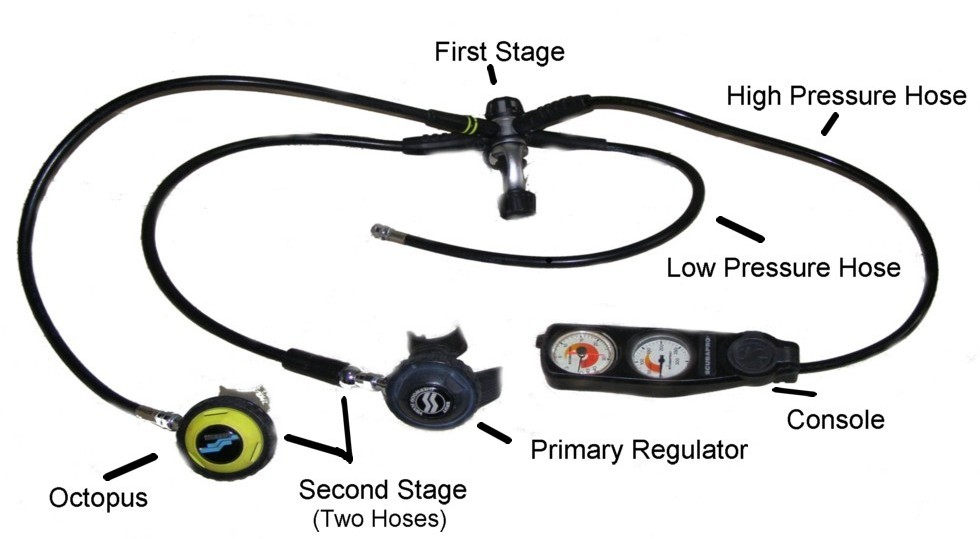
TIP # 1: Make sure your dive shop is an authorized dealer for servicing and repairing your regulator's brand choice.
TIP #2: Check if in your dive area they use in the tank a yoke valve with an o-ring; which is by far the most common style in use; or DIN valve that is typically used with high-pressure steel tanks. You also can have an adapter.
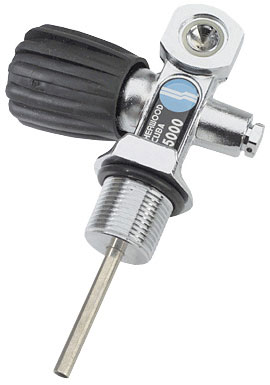
Yoke
valve

DIN
valve with an adapter
TIP #3: A Nitrox-compatible regulator requires a Nitrox-compatible octopus or alternate.
TIP # 4: Your regulator's mouthpieces needs to feel comfortable in your mouth. If your mouth and jaws are sore after a dive, the mouthpiece might not be a good fit for you.
TIP # 5: In the console of the regulator you can have a pressure gage (BARs or PSIs), Deep gage (Meters or Feet) or replace both by a diving computer. You also can add a compass to the console.
Tip # 6: Buy your regulator as a package or complete with all 4 hoses (primary second stage, alternate second stage, flow pressure hose and high pressure hose with console).
|
Make it a habit to always perform a check on all your equipment before a dive. |
If you find some leaks on your regulator's second stage, most of the time it's sand residue, so rinse with fresh water. If o-ring does not seal properly; release the pressure check if o-ring is lubricated and move the hose around a little bit. If any of the suggestions above do not work we recommend that a professional take a look on your regulator.
After the dive and removing your regulator from the tank, you must cover the first stage immediately and then clean the regulator in fresh water; removing all the salt, dirt and sediments like sand; then dry your equipment out of direct sunlight.
Check hoses and look for cracks, worn areas, and bends or bulges. If you find what looks like a potential problem, replace the hose. And never fold your hoses too tight when you store your regulator.
Our latest post to keep you updated.
 Best Diving Cameras.
These are currently the best cameras for diving.
 Travelling with Diving equipment
The airlines are in the endless battle to reduce their costs...
 Amed-Bali.
most commonly known for diving the USS Liberty wreck at Tulamben area.
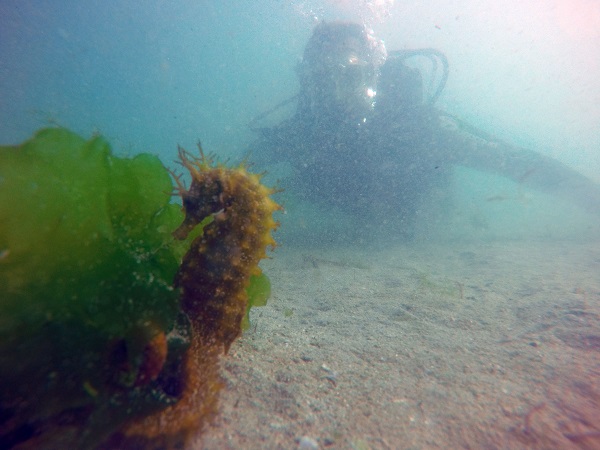 Ria Aldan.
Part of the Rias Baixas in Spain.
 Khao Lak Beach.
Located in Thailand with over 20+ nice dive sites.
 Diving Karon.
Located in Thailand with over 30 nice dive sites.
 Diving in Canada.
The water is cold, but that has not stopped the Canadian divers and visitors.
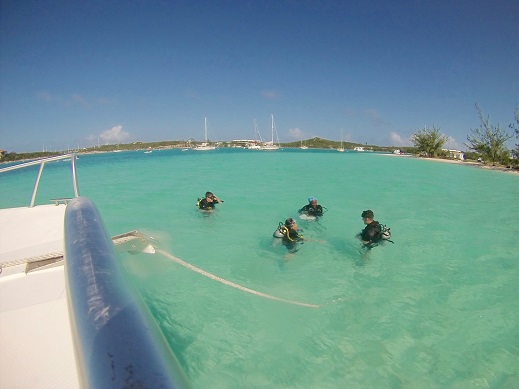 Diving in Exuma, The Bahamas.
with 365 cays and islands is the perfect place for relaxation and diving.
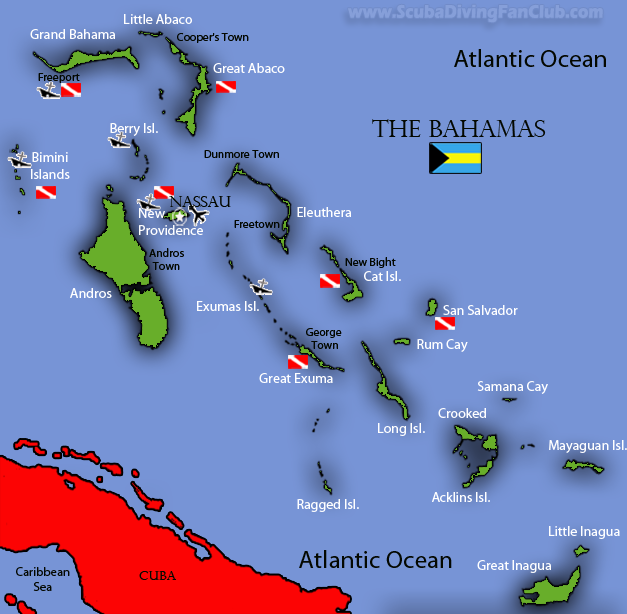 The Bahamas
known for its big tourism industry offering big hotels, nice beaches and clear waters.
 Diving in Kalymnos, Greece.
Diving in Kalymnos Island, Greece. known as the "Sponge-divers' island.
 Diving in Paphos, Cyprus.
Paphos is one of the oldest cities in the world which has seen rise and fall of many kingdoms.
 Diving Raja Ampat, Indonesia.
Famous for its ditch biodiversity and the coral coverage is stunning.
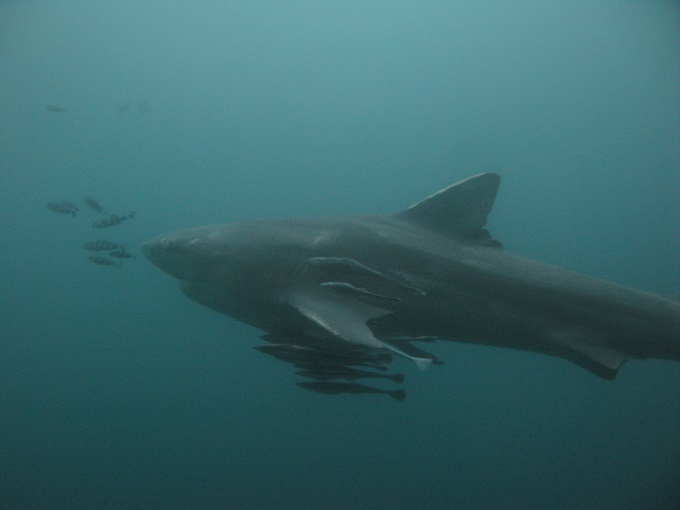 Diving Aliwal Shoal-Reef-Umkomaas, South Africa.
The most popular dive site to view the Ragged Tooth Sharks during the shark season.
 Diving in South Africa.
Cage diving in South Africa is very famous due to the massive fur seal colony and African penguins.
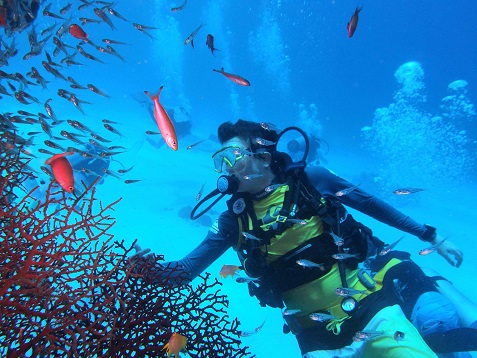 Diving Kata Beach-Phuket, Thailand.
Kata Beach in Phuket has most beautiful beaches and easy to dive locations on the island.
 Diving Santa Catalina, Panama.
Most of our dive sites are located in Coiba National Park, a protected area.
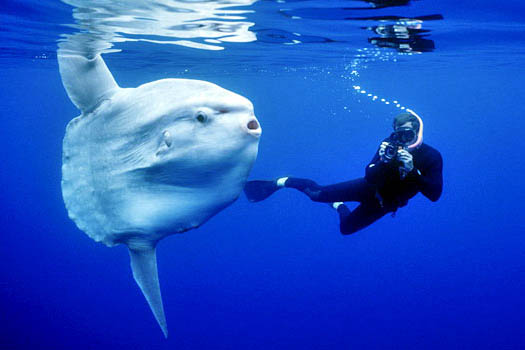 Diving in Bali.
Bali has lots of great dive and snorkelling sites.
 Diving Carriacou, Grenadine Isl.
Carriacou prides itself on some of the best diving in the Caribbean.
 Diving Guardalavaca
Guardalavaca was a nice experience. They have a great wall with really nice tunnels.
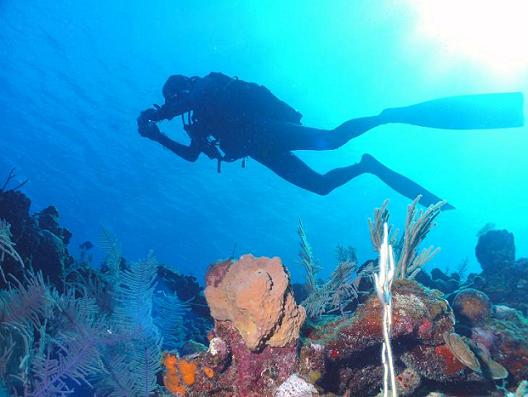 How is the coral reef being affected?
Corals are highly sensitive to environmental changes that can kill them.
 Diving Kas-Turkey
Kas is a small historical town on the south coast of Turkey and we have great diving.
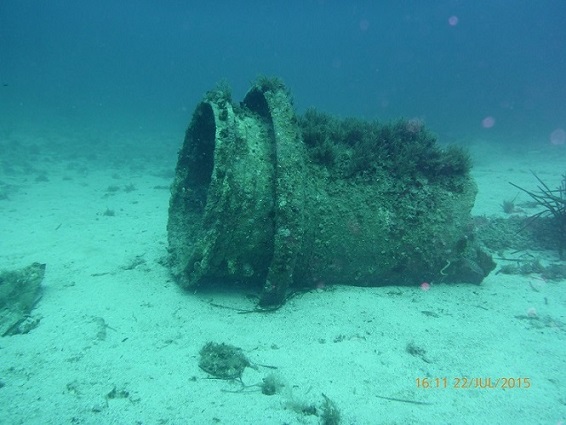 Diving South Dalmatia
Diving Marco Polo's home town in Croatia.
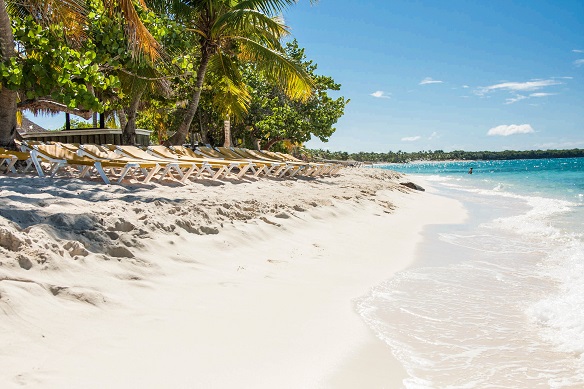 Catalina Island, Dom Rep
You will love our amazing snorkelling and diving activities.

|
|
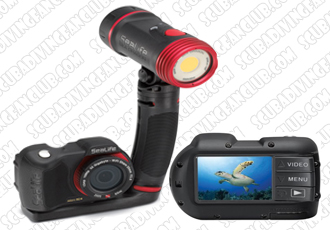
Best Diving Cameras | Diving Information
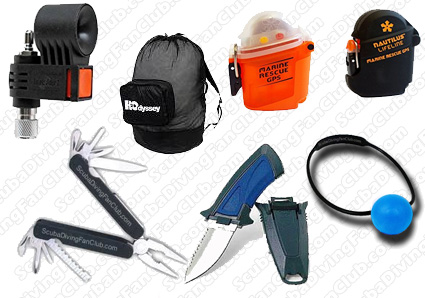
Top 10 Diving Accessories | Diving Equipment

Russian Tanks in Cuba | Diving Video
The Coral Reefs | Diving Information

Afraid of Diving | Diving Information

12 Common Diving Mistakes | Diving Information
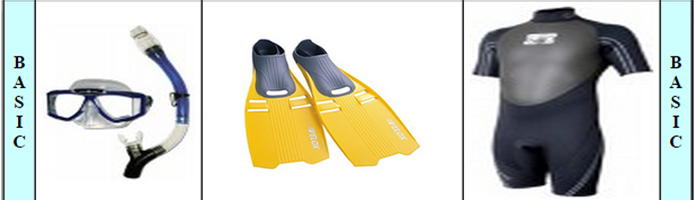
Necessary diving equipment | Diving Equipment
First Timers | Diving Information
Diving Signals | Diving Information

Diving Risks | Diving Information

Equipment Maintenance | Diving Equipment
Diving History | Diving Information

Diving Questions | Diving Information

Diving Quotes | Diving Gallery
How deep is 3 bars?| Diving Information
See More.
How to become a contributor