



**Attention: We use cookies to help make this website better. By continuing to use our service, you agree to our use of cookies. More info**
**Attention: We use cookies to help make this website better. By continuing to use our service, you agree to our use of cookies. More info**
Diving signals are communication that divers use underwater with their hands, because communication underwater without special and expensive equipment is impossible.
Without realizing people use a lot of hand or body gestures to express themselves. Movements like shrugging the shoulders for "I don't know", nodding the head for "Yes" and shaking the head for "no" are very common in our society. Also couples who have lived together for a while can communicate with body, eyes and hands and they don't need to speak to understand each other.
All the signals were created for better understanding between divers, because going every time to the surface to communicate is dangerous and some time there is no time for writing everything on a slate. The signals were also introduced by military divers in the early years of scuba diving.
Today it is mandatory to know them before a dive. All diving agencies or organizations around the globe teach their divers hand signals, making some of them to vary from region to region. That's the reason why it is a good practice to always review the diving signals when diving with friends and strangers during the dive briefing.
Many times divers have to create a new set of hand signal depending on the different circumstances of the dive. The important thing is to always prevent the unpreventable and always stay safe.
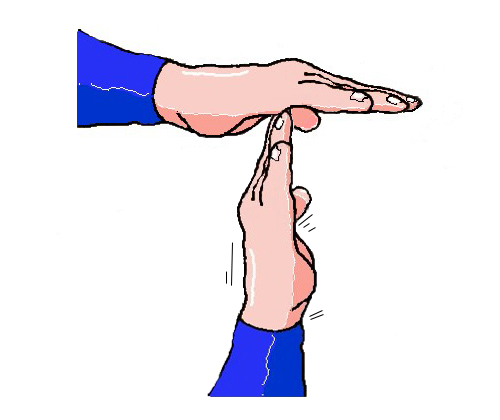
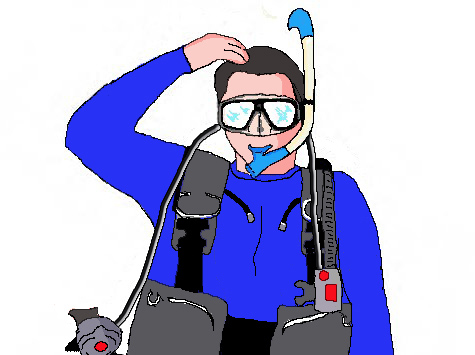
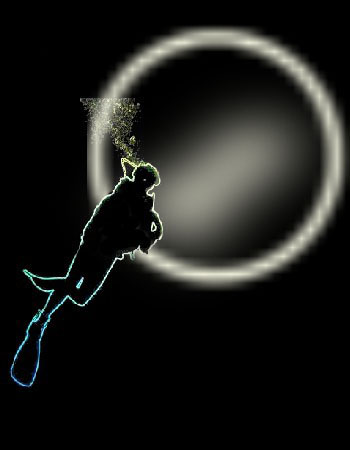
Please hover the mouse over the diving signals for demonstration. Some signals do not need the animation or we are currently working on them.
Our latest post to keep you updated.
 Best Diving Cameras.
These are currently the best cameras for diving.
 Travelling with Diving equipment
The airlines are in the endless battle to reduce their costs...
 Amed-Bali.
most commonly known for diving the USS Liberty wreck at Tulamben area.
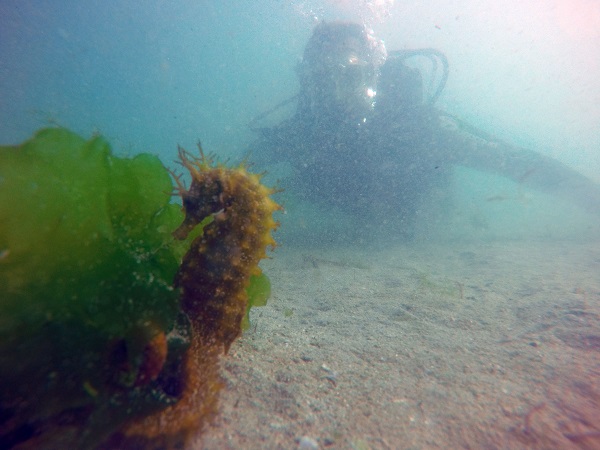 Ria Aldan.
Part of the Rias Baixas in Spain.
 Khao Lak Beach.
Located in Thailand with over 20+ nice dive sites.
 Diving Karon.
Located in Thailand with over 30 nice dive sites.
 Diving in Canada.
The water is cold, but that has not stopped the Canadian divers and visitors.
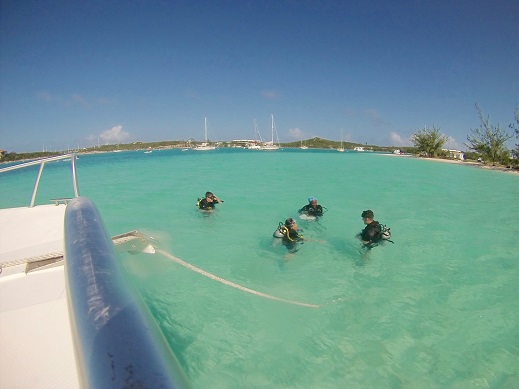 Diving in Exuma, The Bahamas.
with 365 cays and islands is the perfect place for relaxation and diving.
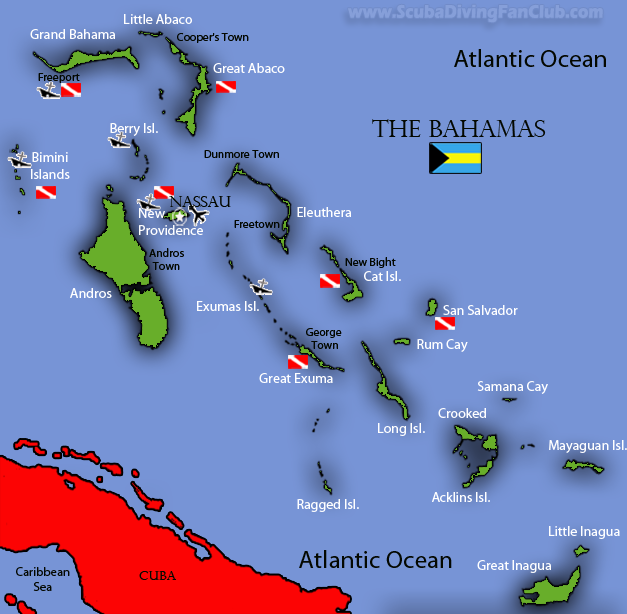 The Bahamas
known for its big tourism industry offering big hotels, nice beaches and clear waters.
 Diving in Kalymnos, Greece.
Diving in Kalymnos Island, Greece. known as the "Sponge-divers' island.
 Diving in Paphos, Cyprus.
Paphos is one of the oldest cities in the world which has seen rise and fall of many kingdoms.
 Diving Raja Ampat, Indonesia.
Famous for its ditch biodiversity and the coral coverage is stunning.
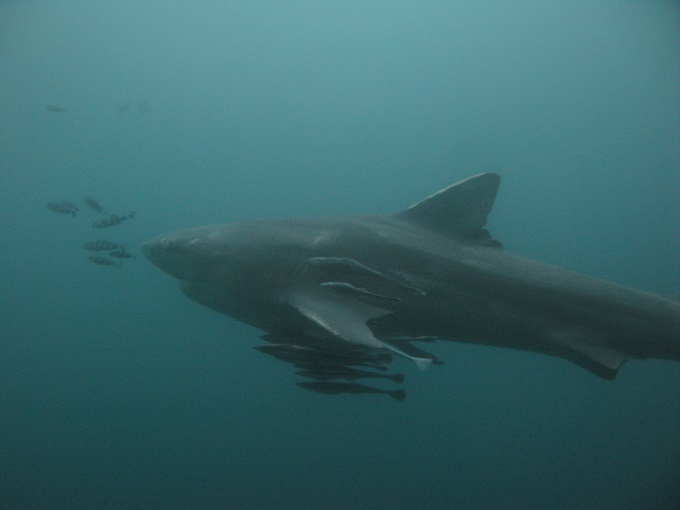 Diving Aliwal Shoal-Reef-Umkomaas, South Africa.
The most popular dive site to view the Ragged Tooth Sharks during the shark season.
 Diving in South Africa.
Cage diving in South Africa is very famous due to the massive fur seal colony and African penguins.
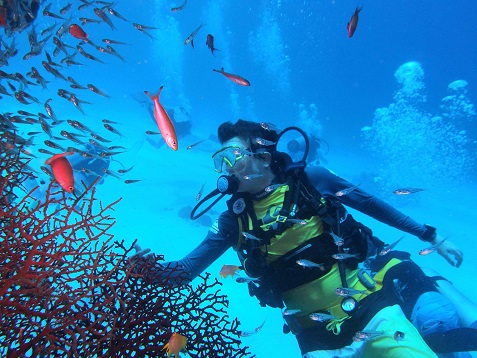 Diving Kata Beach-Phuket, Thailand.
Kata Beach in Phuket has most beautiful beaches and easy to dive locations on the island.
 Diving Santa Catalina, Panama.
Most of our dive sites are located in Coiba National Park, a protected area.
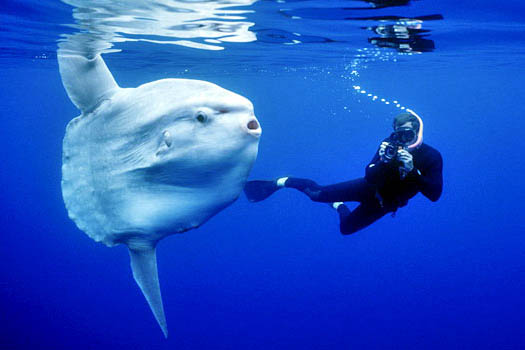 Diving in Bali.
Bali has lots of great dive and snorkelling sites.
 Diving Carriacou, Grenadine Isl.
Carriacou prides itself on some of the best diving in the Caribbean.
 Diving Guardalavaca
Guardalavaca was a nice experience. They have a great wall with really nice tunnels.
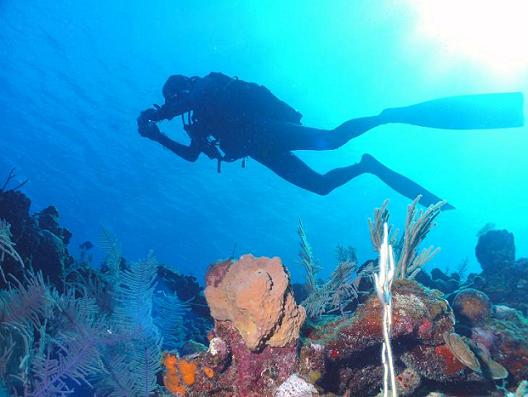 How is the coral reef being affected?
Corals are highly sensitive to environmental changes that can kill them.
 Diving Kas-Turkey
Kas is a small historical town on the south coast of Turkey and we have great diving.
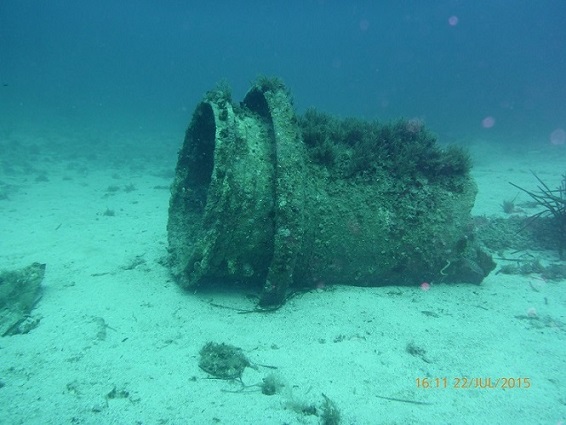 Diving South Dalmatia
Diving Marco Polo's home town in Croatia.
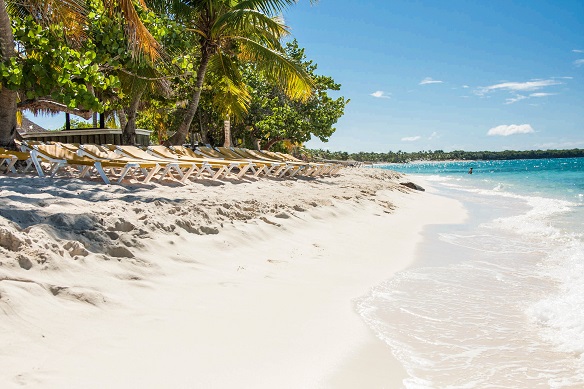 Catalina Island, Dom Rep
You will love our amazing snorkelling and diving activities.

It is mandatory to always review diving signals when diving with friends and strangers. Please hover the mouse over the diving signals for demonstration.
Beside the signals used underwater, at the surface there are other diving signals that you should know about.
 | The diver down flag: indicates that there is a diver below. No other boats are allowed and there is a second, larger zone in which boat's speed is limited. The flag can be placed on a boat or on a buoy. And in some countries it must go down when all divers are out of the water. Today this flag represents scuba diving worldwide. |
 | The Alfa Flag:in international shipping communications every letter of the alphabet is represented by a colored flag. This flag represents the letter "A" Alfa. By itself means "Diver Down; Keep Clear at slow speed". The flag must be flown from any vessel that has diving operations going on which restricts ship's maneuvers. |
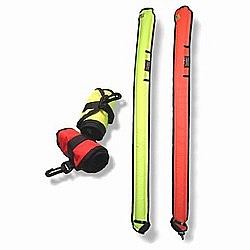 | Surface marker buoys (SMB): Good for signaling boat drivers of your location while performing the safety stop or ascending. SMB makes boat drivers see you from far at the surface. The Yellow SMB it is used more commonly in tech-diving and means emergency underwater/ need assistance (for those divers that have to spend hours on decompression stops). |
Test your knowledge of diving signals. Send the link below to a friend and see who scores the most.
http://www.scubadivingfanclub.com/Diving_Signals.html#Diving_Signals_Quiz
Best Diving Cameras | Diving Information

Top 10 Diving Accessories | Diving Equipment

Russian Tanks in Cuba | Diving Video
The Coral Reefs | Diving Information

Afraid of Diving | Diving Information

12 Common Diving Mistakes | Diving Information
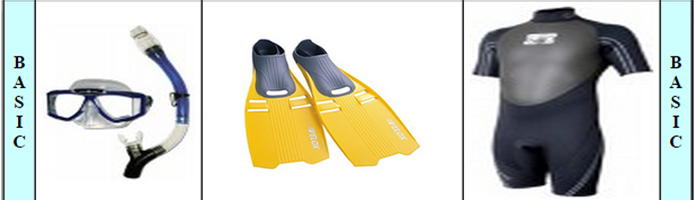
Necessary diving equipment | Diving Equipment
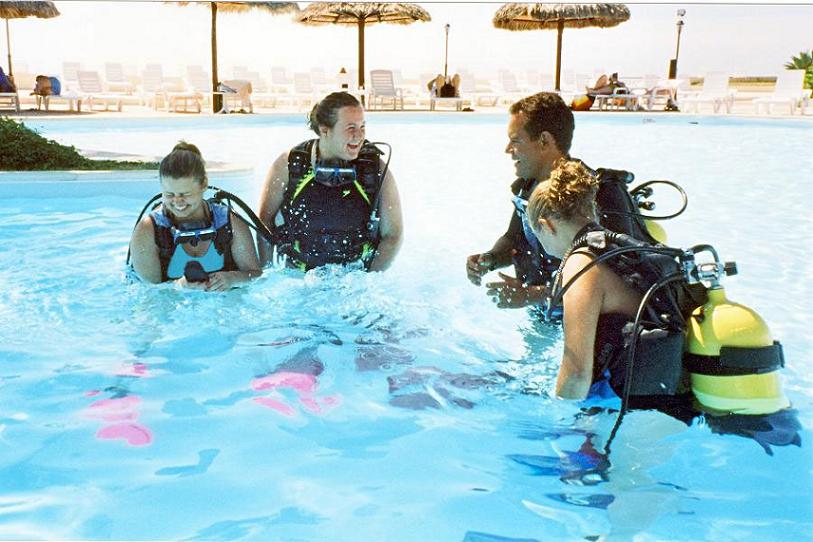
First Timers | Diving Information
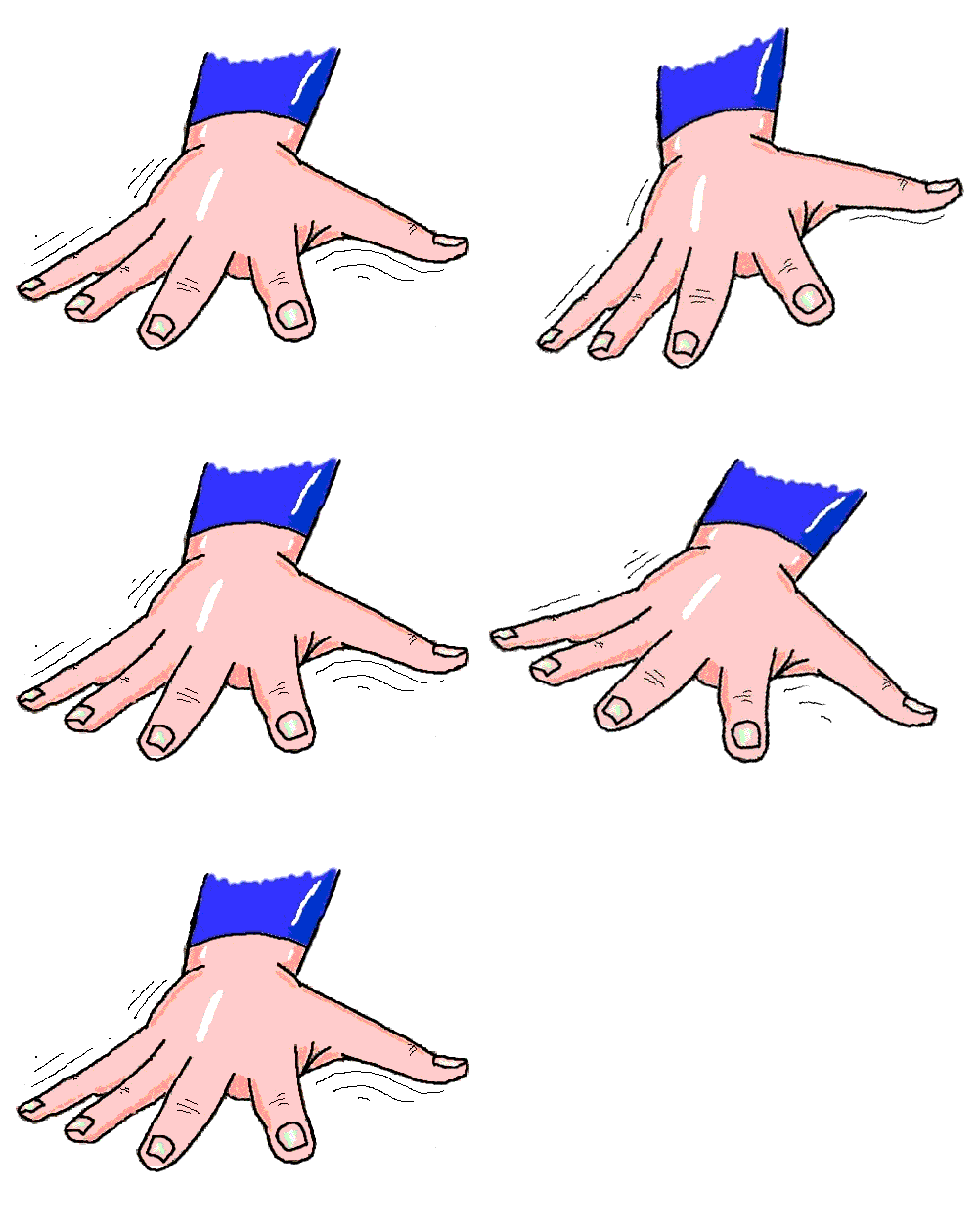
Diving Signals | Diving Information

Diving Risks | Diving Information

Equipment Maintenance | Diving Equipment
Diving History | Diving Information

Diving Questions | Diving Information

Diving Quotes | Diving Gallery
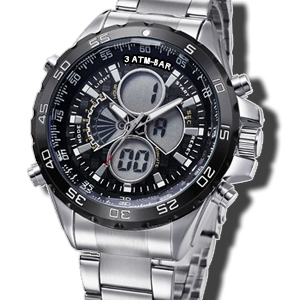
How deep is 3 bars?| Diving Information
See More.
How to become a contributor