




**Attention: We use cookies to help make this website better. By continuing to use our service, you agree to our use of cookies. More info**
**Attention: We use cookies to help make this website better. By continuing to use our service, you agree to our use of cookies. More info**
We have created a list of 12 common diving mistakes that sometimes divers do and can put themselves or others at risk.

Inspect your mask if you haven't used it for a while. Check if tank is open. Check the amount of air you have (approximately 3,000 PSI or more / 200 bar). Breathe from the regulator. Inspect your jacket or vest by adding air on it.
Check your dive buddies’ equipment or at least make sure your partner checks his/hers equipment in front of you.
A common mistake of divers is missing or not paying attention to the briefing of the dive plan. Always participate in the dive plan session, even if you already know the area. During the briefing you can talk about:
Often divers have to create a new set of signals depending on the different circumstances of the dive. It is expected that diving signals are already known by divers, but some signals vary from region to region. If you feel that the diving leader (Divemaster or instructor) is missing some detail during the briefing, this is the right time to bring it to the attention of all divers.
Always ask questions before diving. The leader or guide will help you more if you need extra help. Failure to state your problems prior to the dive is a diving mistake that could put the entire group at risk.
Proper weight is very important. If you carry too much weight, it is a mistake that will make you not enjoy the beautiful underwater world. If you are not sure always ask the leader, Divemaster or instructor.
Our latest post to keep you updated.
 Best Diving Cameras.
These are currently the best cameras for diving.
 Travelling with Diving equipment
The airlines are in the endless battle to reduce their costs...
 Amed-Bali.
most commonly known for diving the USS Liberty wreck at Tulamben area.
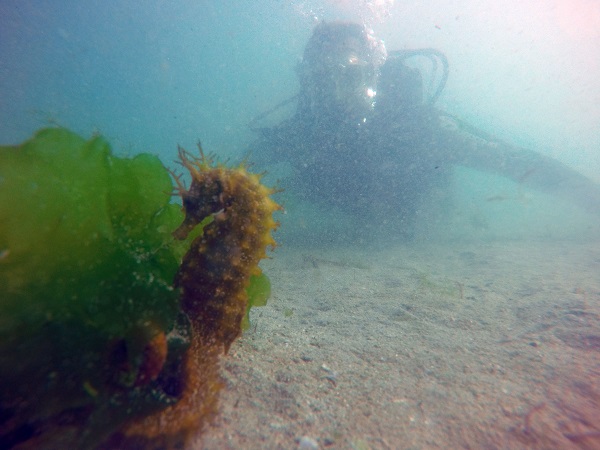 Ria Aldan.
Part of the Rias Baixas in Spain.
 Khao Lak Beach.
Located in Thailand with over 20+ nice dive sites.
 Diving Karon.
Located in Thailand with over 30 nice dive sites.
 Diving in Canada.
The water is cold, but that has not stopped the Canadian divers and visitors.
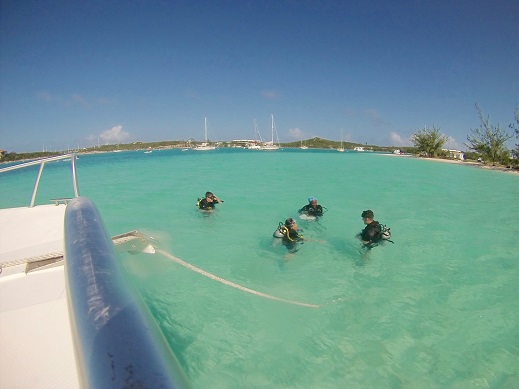 Diving in Exuma, The Bahamas.
with 365 cays and islands is the perfect place for relaxation and diving.
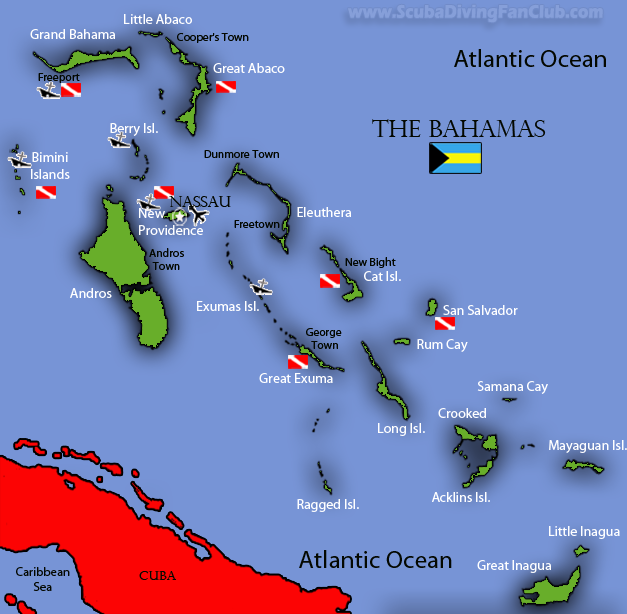 The Bahamas
known for its big tourism industry offering big hotels, nice beaches and clear waters.
 Diving in Kalymnos, Greece.
Diving in Kalymnos Island, Greece. known as the "Sponge-divers' island.
 Diving in Paphos, Cyprus.
Paphos is one of the oldest cities in the world which has seen rise and fall of many kingdoms.
 Diving Raja Ampat, Indonesia.
Famous for its ditch biodiversity and the coral coverage is stunning.
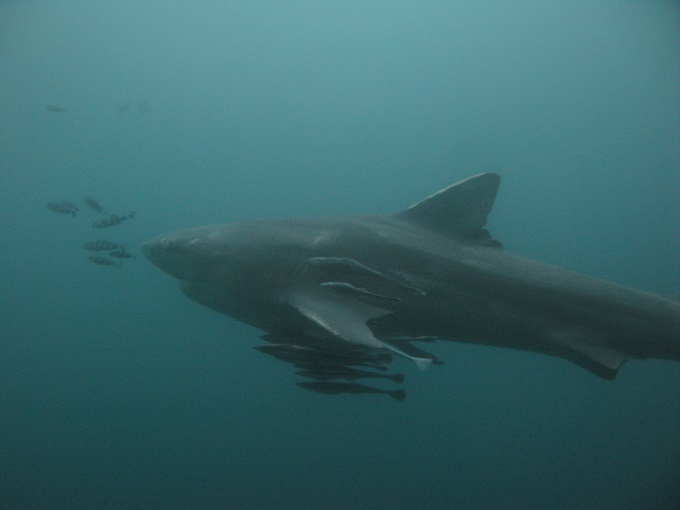 Diving Aliwal Shoal-Reef-Umkomaas, South Africa.
The most popular dive site to view the Ragged Tooth Sharks during the shark season.
 Diving in South Africa.
Cage diving in South Africa is very famous due to the massive fur seal colony and African penguins.
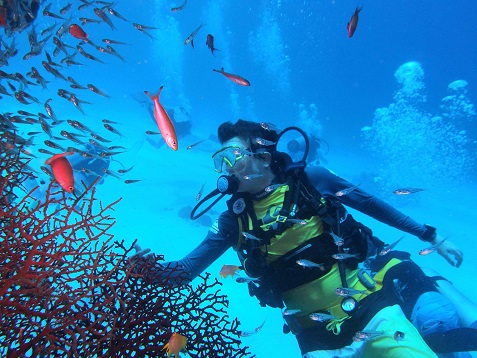 Diving Kata Beach-Phuket, Thailand.
Kata Beach in Phuket has most beautiful beaches and easy to dive locations on the island.
 Diving Santa Catalina, Panama.
Most of our dive sites are located in Coiba National Park, a protected area.
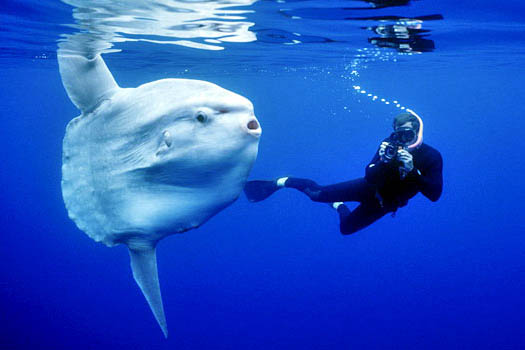 Diving in Bali.
Bali has lots of great dive and snorkelling sites.
 Diving Carriacou, Grenadine Isl.
Carriacou prides itself on some of the best diving in the Caribbean.
 Diving Guardalavaca
Guardalavaca was a nice experience. They have a great wall with really nice tunnels.
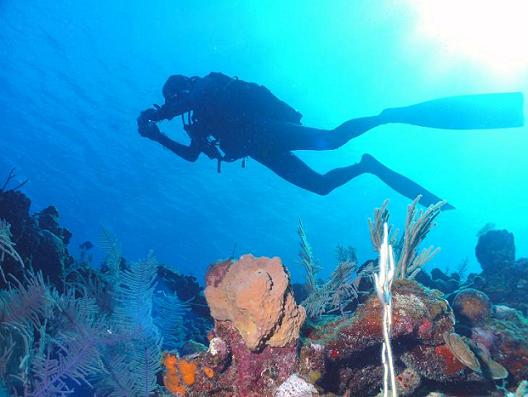 How is the coral reef being affected?
Corals are highly sensitive to environmental changes that can kill them.
 Diving Kas-Turkey
Kas is a small historical town on the south coast of Turkey and we have great diving.
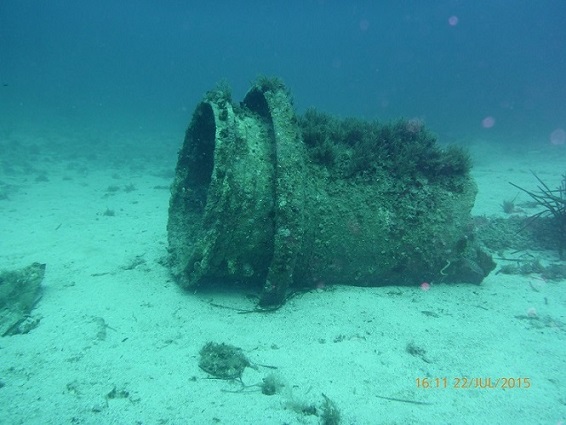 Diving South Dalmatia
Diving Marco Polo's home town in Croatia.
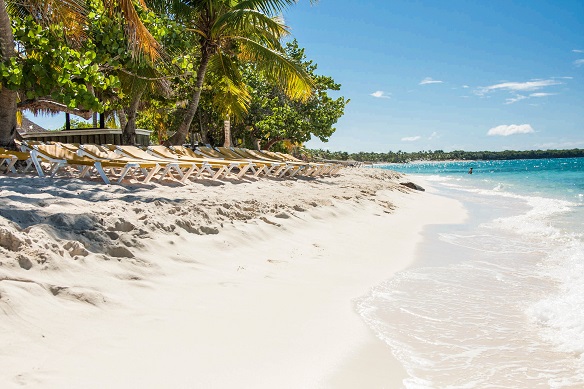 Catalina Island, Dom Rep
You will love our amazing snorkelling and diving activities.


For safe diving, during the dive always respect the dive plan provided during the briefing.
Slowly descend and equalize the ears as many times as necessary. The lack of this exercise is a common mistake that can cancel the dive and cause permanent damage to the ear.
While underwater remember the first rule of diving: always breathe and never hold your breath. At the end of the dive you should ascend slowly, taking as a reference the computer or the smallest bubbles when exhaling and never ascend faster than them. Remember and obey the safety stops or decompression stops.
To avoid surprises always check your underwater air consumption.
This is another error that is very easy to avoid. Always keep communication about your air supply, especially when you have consumed more than half of the air supply.
Always keep your position under water. And always have an idea of the position of the other divers, especially your partner.
Because on many dive trips the goal is always to do more than one dive, the time between dives is very important to avoid nitrogen saturation. Always respect the dive plan that was provided by the Divemaster or Instructor because they follow the rules of safe diving. If you are planning the dives remember to use the appropriate recreational dive table.
Best Diving Cameras | Diving Information
Top 10 Diving Accessories | Diving Equipment

Russian Tanks in Cuba | Diving Video
The Coral Reefs | Diving Information

Afraid of Diving | Diving Information

12 Common Diving Mistakes | Diving Information
Necessary diving equipment | Diving Equipment
First Timers | Diving Information
Diving Signals | Diving Information

Diving Risks | Diving Information

Equipment Maintenance | Diving Equipment
Diving History | Diving Information

Diving Questions | Diving Information

Diving Quotes | Diving Gallery
How deep is 3 bars?| Diving Information
See More.
How to become a contributor