




**Attention: We use cookies to help make this website better. By continuing to use our service, you agree to our use of cookies. More info**
**Attention: We use cookies to help make this website better. By continuing to use our service, you agree to our use of cookies. More info**
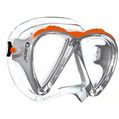
Diving masks are part of your basic equipment, they consist of a lens, a rubber skirt, and a strap, and they also come in a variety of styles. And in the company of a Snorkel and Fins, you will start enjoying the underwater world.
TIP # 1: Look at the lens and see if is TEMPERED glass (they resist scratches and breakage, and if broken, tempered glass will crumble into small, less dangerous, pieces).
TIP #2: Mask materials are Neoprene rubber that is used for less expensive masks and Silicone masks that last three to four times longer than neoprene. Both materials can be colored but today's favorite coloring agent used in masks is black.
TIP #3: Silicone clear or translucent masks are more commonly used than black. People prefer these because they allow more light. After few years and/or lack of use, it becomes yellow.
TIP # 4: A diving mask that does't fit properly may be uncomfortable and leak. To determine if mask fits, follow these steps: A) remove strap out of the way. B) Place mask lightly against your face while looking up. C) Inhale through the nose and the mask should remain firmly in place, despite gentle tugging or head shaking.
Make it a habit to always perform a check on all your equipment before a dive. |
When new, diving masks have an oily film over the surface. To remove it, put a small drop of toothpaste (not gel) on the lens and rub over it, thoroughly, then rinse the mask in fresh water. Repeat if necessary. Also use this method after long storage periods, in between, diving; it will help prevent the mask fogging up while diving.
Other effective de-fogging methods are saliva: inexpensive and readily available and it works by letting the saliva dry for a second or two, and then rinsing the mask out. Other special anti-fog solutions are sold in all dive shops. Just remember to rinse your mask out properly because you don't want to get it in your eyes. While underwater, to defog your mask, simply let water go inside the mask and clean it the way you were taught.
After diving, always clean all your equipment in fresh water; removing all the salt, dirt, and sediments like sand. Remember to dry your equipment out of direct sunlight.
First style mask used by divers since 1930s-1940s, high internal volume (for equalizing and clearing). They had a narrow field of vision in early years, but new style of single lens provides a wide field of vision with lens that is semi-flat. You can also find masks wit lenses on the side. See examples below.
Our latest post to keep you updated.
 Best Diving Cameras.
These are currently the best cameras for diving.
 Travelling with Diving equipment
The airlines are in the endless battle to reduce their costs...
 Amed-Bali.
most commonly known for diving the USS Liberty wreck at Tulamben area.
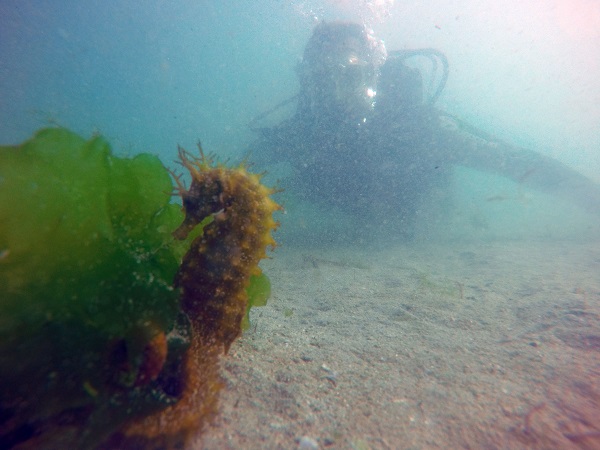 Ria Aldan.
Part of the Rias Baixas in Spain.
 Khao Lak Beach.
Located in Thailand with over 20+ nice dive sites.
 Diving Karon.
Located in Thailand with over 30 nice dive sites.
 Diving in Canada.
The water is cold, but that has not stopped the Canadian divers and visitors.
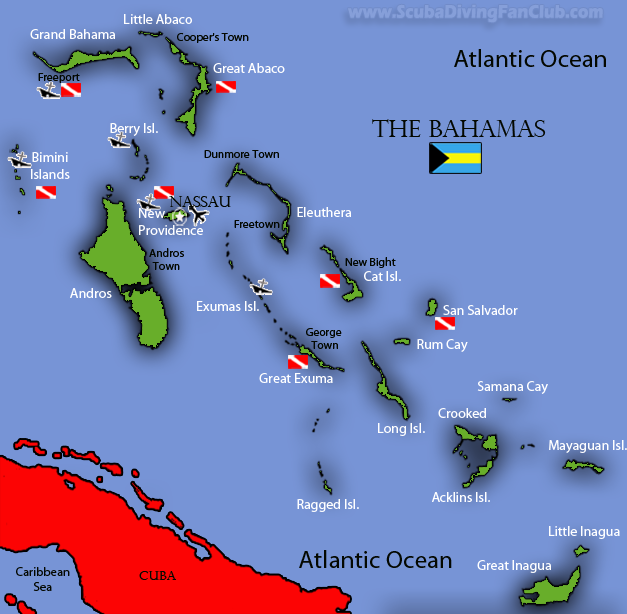
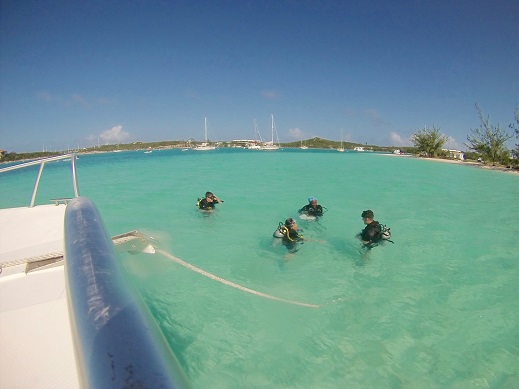 Diving in Exuma, The Bahamas.
with 365 cays and islands is the perfect place for relaxation and diving.
 The Bahamas
known for its big tourism industry offering big hotels, nice beaches and clear waters.
 Diving in Kalymnos, Greece.
Diving in Kalymnos Island, Greece. known as the "Sponge-divers' island.
 Diving in Paphos, Cyprus.
Paphos is one of the oldest cities in the world which has seen rise and fall of many kingdoms.
 Diving Raja Ampat, Indonesia.
Famous for its ditch biodiversity and the coral coverage is stunning.
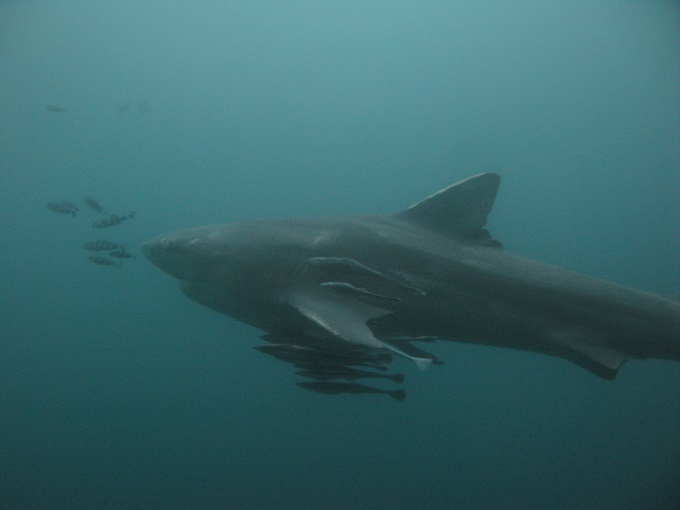 Diving Aliwal Shoal-Reef-Umkomaas, South Africa.
The most popular dive site to view the Ragged Tooth Sharks during the shark season.
 Diving in South Africa.
Cage diving in South Africa is very famous due to the massive fur seal colony and African penguins.
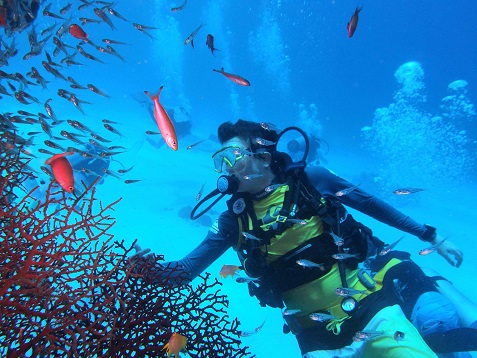 Diving Kata Beach-Phuket, Thailand.
Kata Beach in Phuket has most beautiful beaches and easy to dive locations on the island.
 Diving Santa Catalina, Panama.
Most of our dive sites are located in Coiba National Park, a protected area.
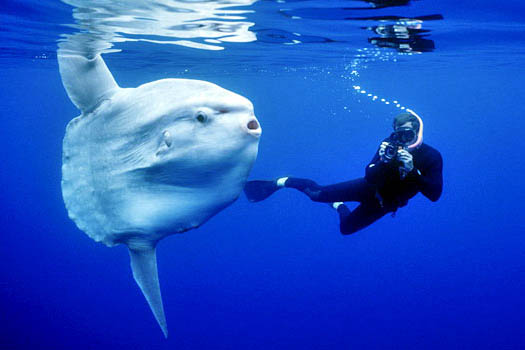 Diving in Bali.
Bali has lots of great dive and snorkelling sites.
 Diving Carriacou, Grenadine Isl.
Carriacou prides itself on some of the best diving in the Caribbean.
 Diving Guardalavaca
Guardalavaca was a nice experience. They have a great wall with really nice tunnels.
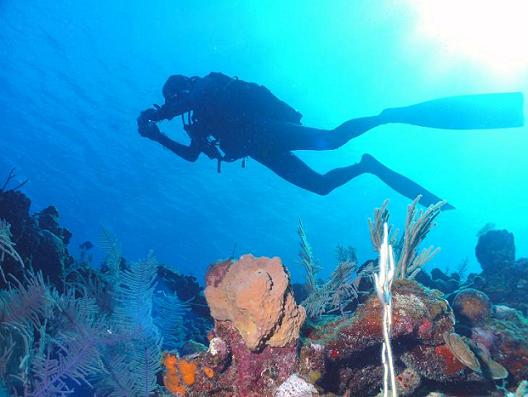 How is the coral reef being affected?
Corals are highly sensitive to environmental changes that can kill them.
 Diving Kas-Turkey
Kas is a small historical town on the south coast of Turkey and we have great diving.
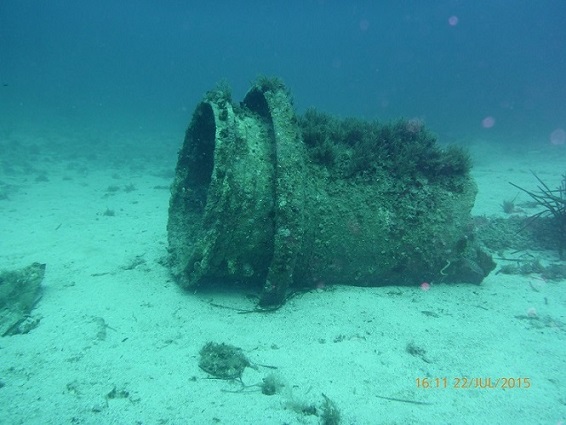 Diving South Dalmatia
Diving Marco Polo's home town in Croatia.
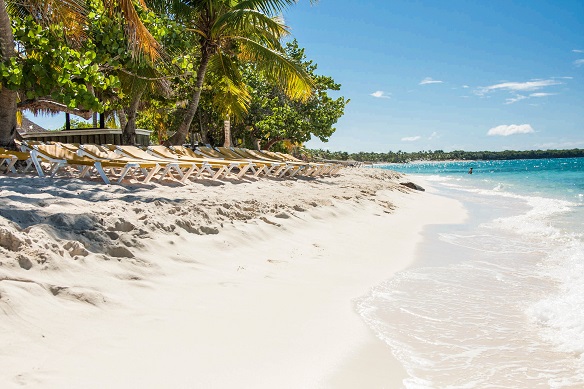 Catalina Island, Dom Rep
You will love our amazing snorkelling and diving activities.



A revolution that started in the 1980. Very low volume, easy to equalize and clear. This type of mask is good when you require to change lenses for prescription lenses. See examples below.

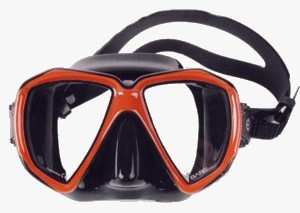
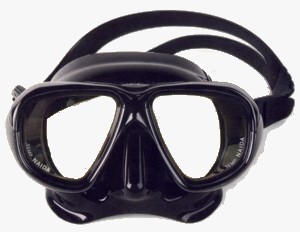
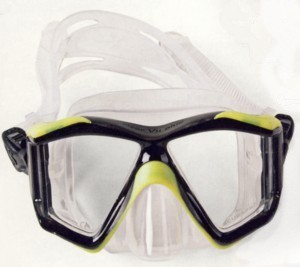
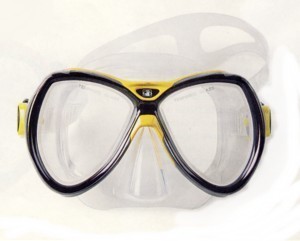
New style of masks with an angle on the lens to provide better view of chest area. You can find single and double lens masks in this style. See examples below.
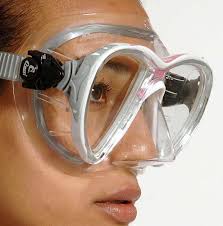
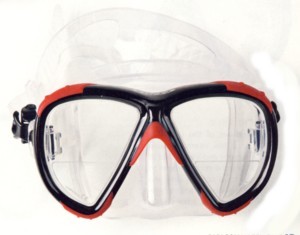
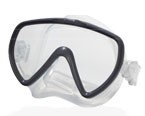
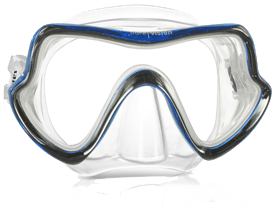
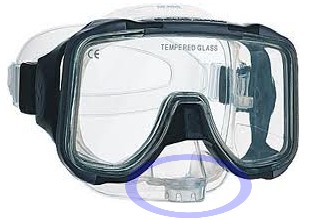
Mask with purge valve
The purge valve allows water to drain easily out of the mask, by exhaling through your nose. Good for snorkeling, but in our opinion, not for diving. The purge valve can become an obstacle when pinching your nose to equalize your ears.

Mask with side lenses
A style that came in the 90's to provide a better visual angle by adding side lenses on the mask.

Mask with a different angle
To provide a better visual angle. This style is an upgrade from the masks with side lenses.

Mask with coloured lenses
The coloured lenses mask like the one shown on the left has a non reflective coating lenses. Leads to increased contrast, protects from the Sun, enhances clarity and colours.


Mask with no frame
New style of mask design with no frame, reduced weight and folds easily to fit in any BCD pocket.

Mask and Camera
Wide angle video camera that captures what you see. Records video HD 1080P at 30fps and 720P Video at 60fps Photo 12.0 MP interpolated images through. Maximum depth to 130ft/40m.
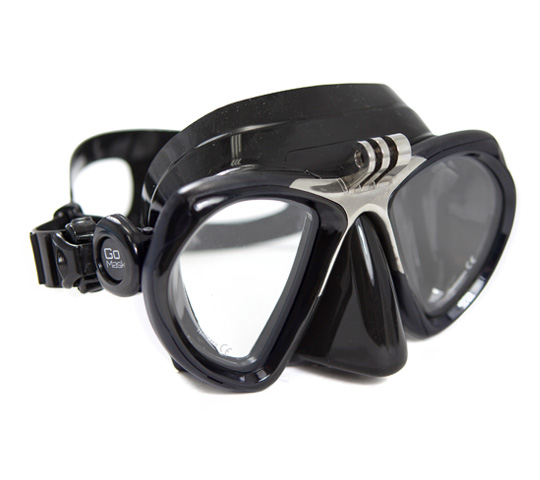

Mask with GoPro attachment
The GoPro camera has attachments for everything. See our reviews on the GoPro camera.


Full-face masks (FFM)
Often used in professional diving. They are relatively rarely used in recreational diving, where they protect the face from cold water or stings, such as from jellyfish or coral.

Full-face masks (FFM) with communication
This style of masks has a air circulation system that eliminates mask fogging. Also comes with a communication unit, finally the solution to talk underwater. Price range around US$ 600 and with the communication unit around US $ 1000 dollars.
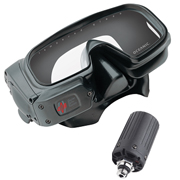

The DATA-MASK
LCD inside the mask will provide the same data as a diving computer: current depth, elapsed dive time, cylinder pressure, and dive time remaining.More about diving computers

Easybreath mask
French watersports company TRIBOARD has developed a full-face, all-in-one snorkeling mask. Unfortunately it is for snorkeling only. There is no access to the nose in order to equalize the ears.
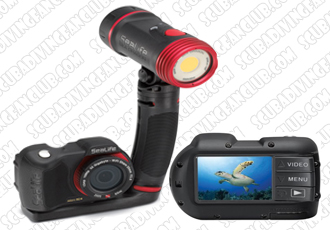
Best Diving Cameras | Diving Information
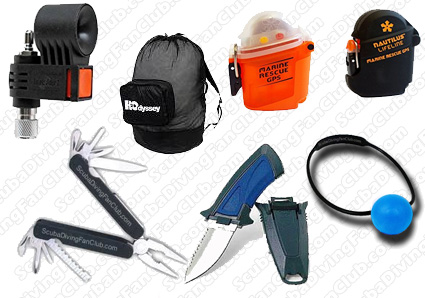
Top 10 Diving Accessories | Diving Equipment

Russian Tanks in Cuba | Diving Video
The Coral Reefs | Diving Information

Afraid of Diving | Diving Information

12 Common Diving Mistakes | Diving Information
Necessary diving equipment | Diving Equipment
First Timers | Diving Information
Diving Signals | Diving Information

Diving Risks | Diving Information

Equipment Maintenance | Diving Equipment
Diving History | Diving Information

Diving Questions | Diving Information

Diving Quotes | Diving Gallery
How deep is 3 bars?| Diving Information
See More.
How to become a contributor