



**Attention: We use cookies to help make this website better. By continuing to use our service, you agree to our use of cookies. More info**
**Attention: We use cookies to help make this website better. By continuing to use our service, you agree to our use of cookies. More info**
Divers in the search of comfort and safety will always look for diving accessories.Below we have listed the top 10 accessories that all divers should have and the complete list of other accessories you will love.
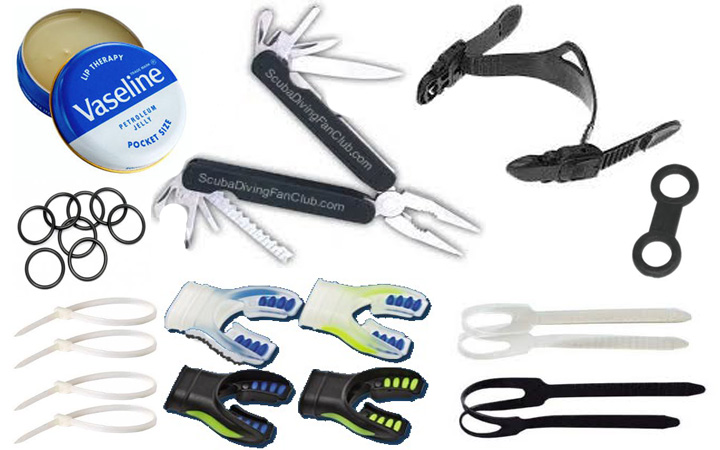
#1-Repair Kit: Equipment maintenance is very important, but if you are away from home it is a good idea to put together a spare parts kit with the most commonly broken, lost or worn out items. For more info on equipment maintenance.
Our latest post to keep you updated.
 Best Diving Cameras.
These are currently the best cameras for diving.
 Travelling with Diving equipment
The airlines are in the endless battle to reduce their costs...
 Amed-Bali.
most commonly known for diving the USS Liberty wreck at Tulamben area.
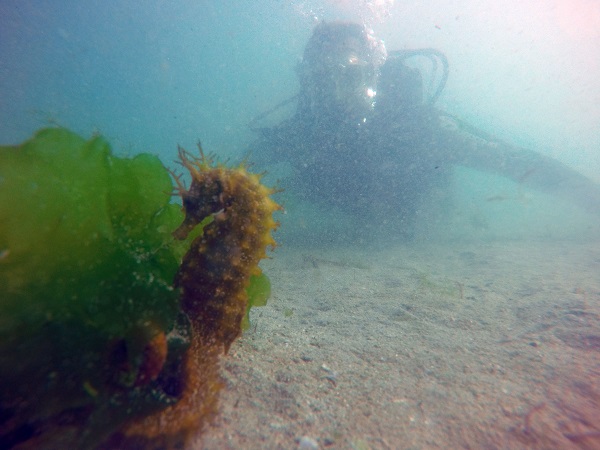 Ria Aldan.
Part of the Rias Baixas in Spain.
 Khao Lak Beach.
Located in Thailand with over 20+ nice dive sites.
 Diving Karon.
Located in Thailand with over 30 nice dive sites.
 Diving in Canada.
The water is cold, but that has not stopped the Canadian divers and visitors.
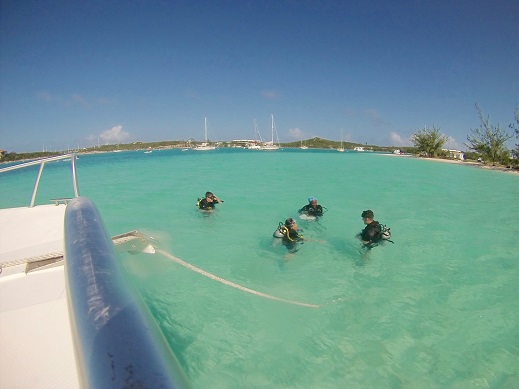 Diving in Exuma, The Bahamas.
with 365 cays and islands is the perfect place for relaxation and diving.
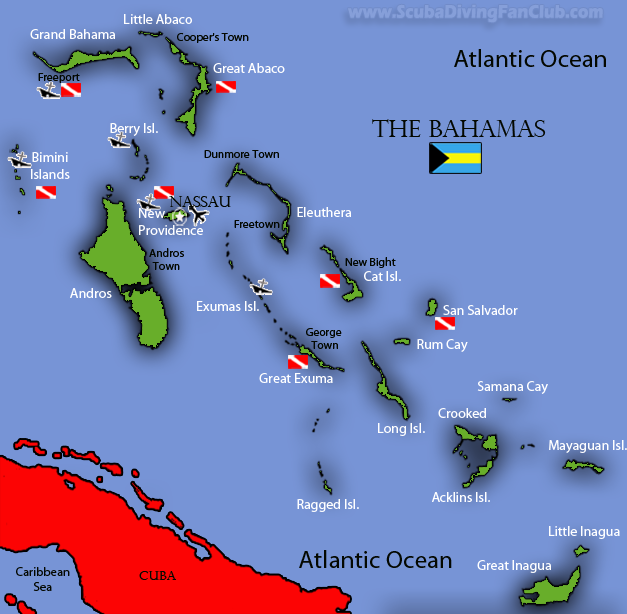 The Bahamas
known for its big tourism industry offering big hotels, nice beaches and clear waters.
 Diving in Kalymnos, Greece.
Diving in Kalymnos Island, Greece. known as the "Sponge-divers' island.
 Diving in Paphos, Cyprus.
Paphos is one of the oldest cities in the world which has seen rise and fall of many kingdoms.
 Diving Raja Ampat, Indonesia.
Famous for its ditch biodiversity and the coral coverage is stunning.
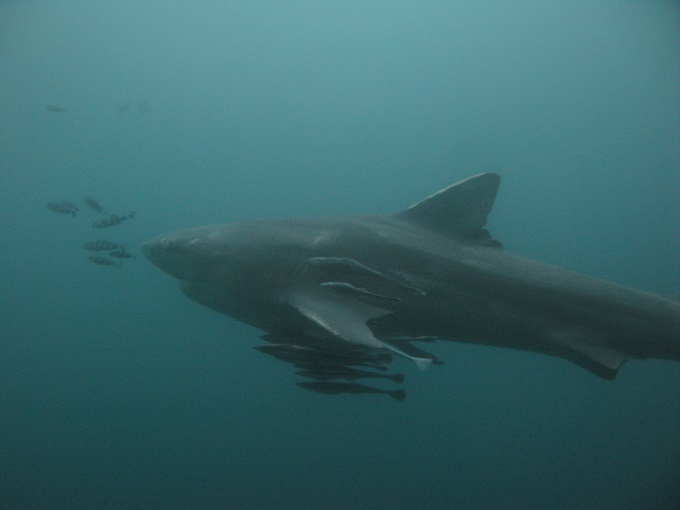 Diving Aliwal Shoal-Reef-Umkomaas, South Africa.
The most popular dive site to view the Ragged Tooth Sharks during the shark season.
 Diving in South Africa.
Cage diving in South Africa is very famous due to the massive fur seal colony and African penguins.
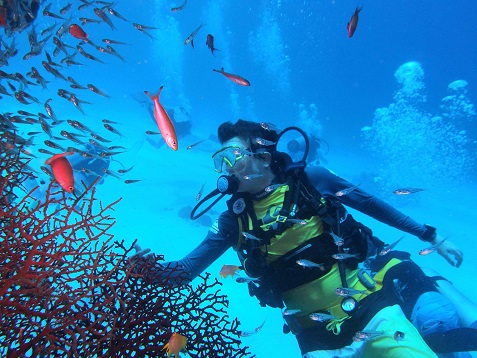 Diving Kata Beach-Phuket, Thailand.
Kata Beach in Phuket has most beautiful beaches and easy to dive locations on the island.
 Diving Santa Catalina, Panama.
Most of our dive sites are located in Coiba National Park, a protected area.
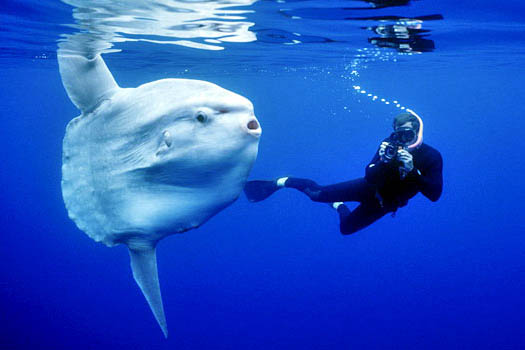 Diving in Bali.
Bali has lots of great dive and snorkelling sites.
 Diving Carriacou, Grenadine Isl.
Carriacou prides itself on some of the best diving in the Caribbean.
 Diving Guardalavaca
Guardalavaca was a nice experience. They have a great wall with really nice tunnels.
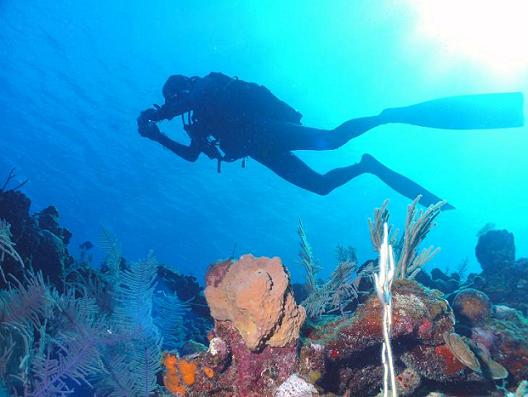 How is the coral reef being affected?
Corals are highly sensitive to environmental changes that can kill them.
 Diving Kas-Turkey
Kas is a small historical town on the south coast of Turkey and we have great diving.
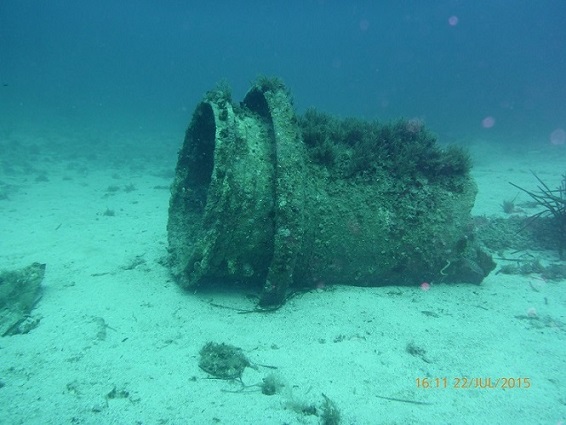 Diving South Dalmatia
Diving Marco Polo's home town in Croatia.
 Catalina Island, Dom Rep
You will love our amazing snorkelling and diving activities.

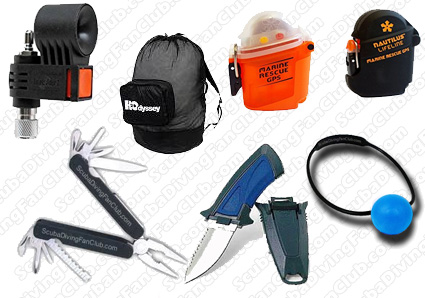
#2-Surface marker buoys (SMB): Diver below or ascending. SMB makes boat drivers see you from far at the surface. The Yellow SMB it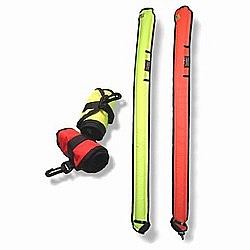 is used more commonly in tech-diving and means emergency underwater/ need assistance.

#3-Diving Net bag: This bag is very convenience. It allows to place all your necessary equipment inside allowing then to drain when wet. It even has a dry pocket for items not to get wet, like your cell phone.
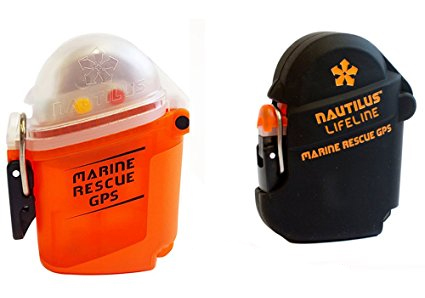
#4-Diving GPS: If you ever get loss at sea, this marine GPS has a range of 34 miles/ 55Kilometres and it cost less than some of your other equipment.

#5-Diving KEY-BAK: Also call a retractor or coil lanyard. Ideal for fastening any kind of equipment you can't afford to lose. Mount your instrument console, a light or other diving accessory to your BCD.
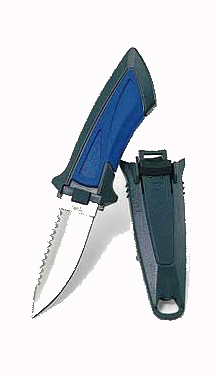
#6-Knives: Can come in handy should you ever get entangled in a fish line; usually attached on the diver's leg or BCD.


#7-Lights: Mandatory for cave and night dives. The small ones can be used during daylight looking in small holes and as a back-up.
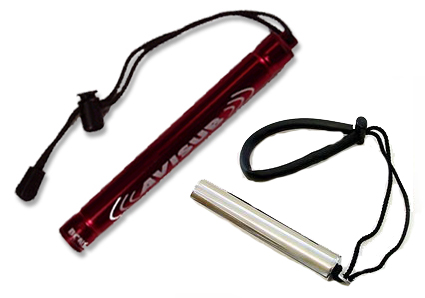
#8-Noise Signal: Call the attention of your buddy by shaking this diving accessory underwater.
Another option will be a Tank banger.
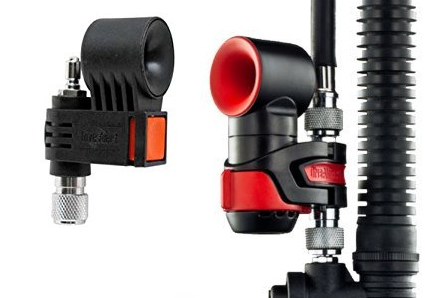
#9-Signal Alert: Noise alert at the surface for buddy or diving boats in the area. It also works underwater. It uses a small amount of air from your tank to make the wistle, but do be careful and gentle on your ears - these whistles can be really loud.
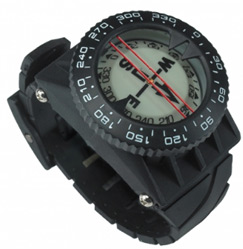
#10-Diving Compass: Navigational instrument for finding directions and helping you find orientation. Use on the wrist or regulator's console.
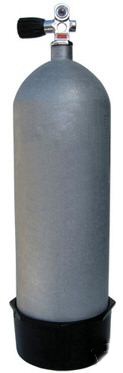
Diving Tanks: Are made out of either Steal or Aluminum. Aluminum tanks are lighter but hold less pressure. It is better to rent the tanks than own one.

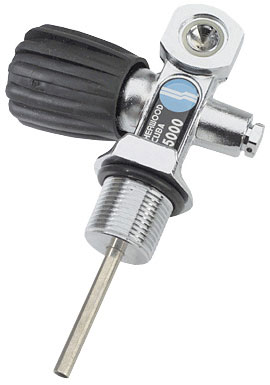 Tank's valves: If you own your tank, these are the valve choices: DIN valve; that is typically used with high-pressure steel tanks; or Yoke valve with an o-ring; which is by far the most common style in use.
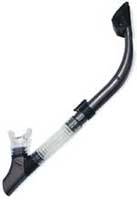
Snorkels: Together with the Mask, it helps you at the surface by saving air, energy, and you get to enjoy yourself while you wait for other divers to surface.
 Hose Retainers: Keeps gauges and regulators close to your body. An essential accessory for protecting fragile marine environments from damage by dangling equipment.Easy to use, hoses snap in and out of the holder.

Diving Gloves: For protection against cold water and the environment; must fit over wet suit sleeves.
 Diving Ankle Weight: When your fins and boots are too buoyant the Diving Ankle weights help to prevent your legs from floating upwards as you dive. They keep your fins in the water at the surface and also have easy release buckles in case of emergencies.
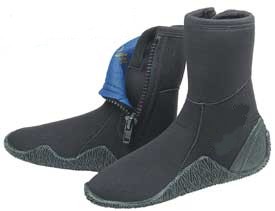 Diving Boots: They have to be comfortable combine with the fins and if you have a wet- dry suit they must fit over properly.

Whistle: Very important to call the attention at the surface of buddy or diving boats near on the area. Not for underwater.

Spare Tank: use as a back up to provide air to any out of air or low on air divers, including yourself.

Reels: used in search and recovery dives and are critical for cavern and wreck dives, where divers need a reference to exit or go back to the surface.
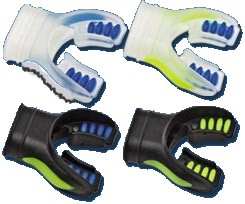
Mouthpieces: Always good to have a spare one for the regulator.
 Diving Buoy: Indicates that there is a diver below. No boats are allowed and there is a second, larger zone in which boat's speed is limited. Recommended when not diving from a boat.
 Diving Tank Banger For buddies who want to quickly capture the attention of another diver. Pull and release it to make contact with the tank making a very noticeable noise.
 Diving Tables: Very important to use when planning your dives and decompression stops; don't be afraid to put it in your BCD's pocket.
| If you will like to help new divers with some tips regarding this topic. Please send us a line by pressing here. |
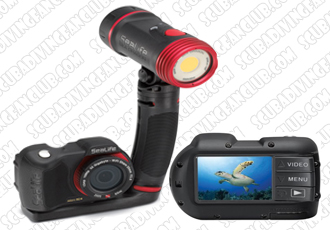
Best Diving Cameras | Diving Information

Top 10 Diving Accessories | Diving Equipment

Russian Tanks in Cuba | Diving Video
The Coral Reefs | Diving Information

Afraid of Diving | Diving Information

12 Common Diving Mistakes | Diving Information
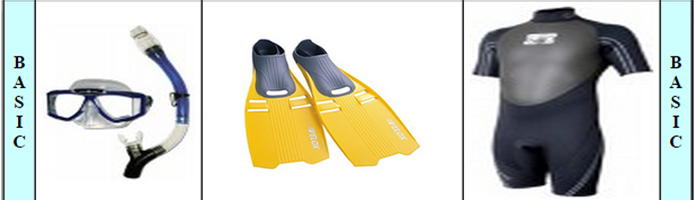
Necessary diving equipment | Diving Equipment
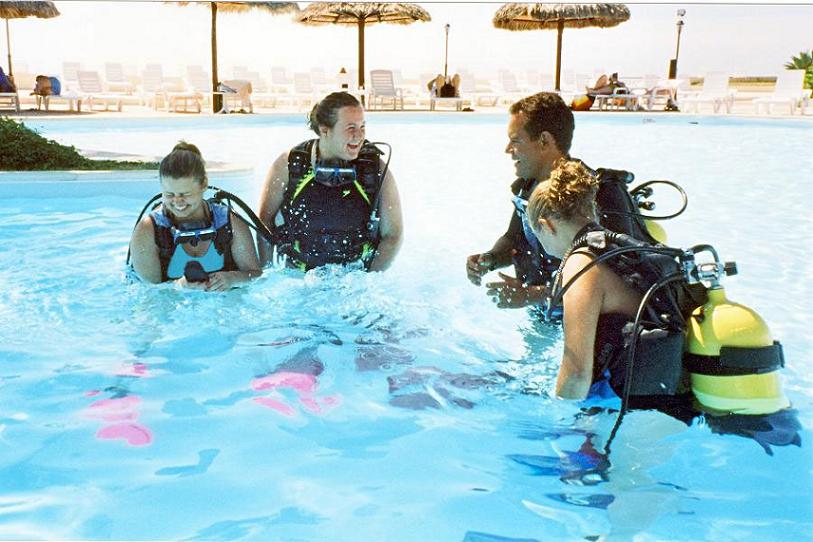
First Timers | Diving Information
Diving Signals | Diving Information

Diving Risks | Diving Information

Equipment Maintenance | Diving Equipment
Diving History | Diving Information

Diving Questions | Diving Information

Diving Quotes | Diving Gallery
How deep is 3 bars?| Diving Information
See More.
How to become a contributor